75 Years of Hope:
Leading the Future of Recovery
Introduction
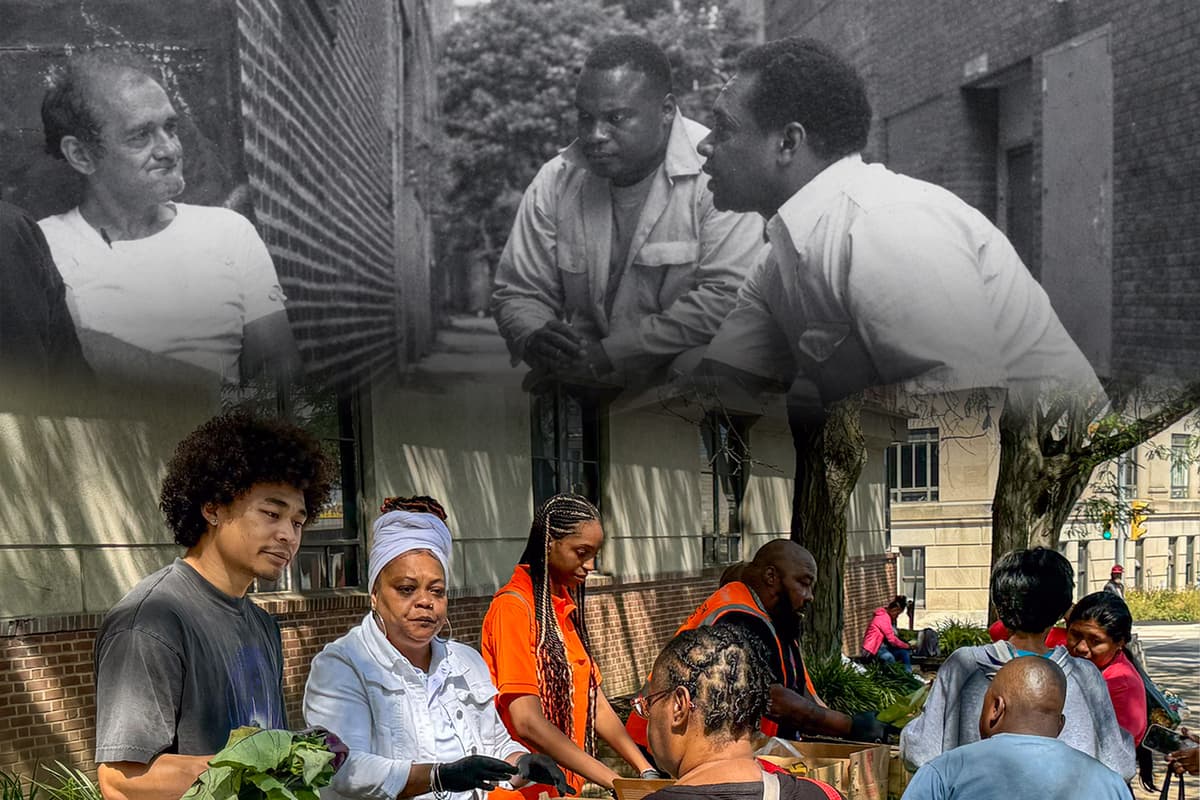
For 75 years, Mental Health Partnerships has partnered with people in recovery—listening, advocating, and building systems of care rooted in dignity, connection, and lived experience. In Fiscal Year 2025, that commitment translated into unprecedented growth, deeper partnerships, and measurable impact across five counties and training and advocacy statewide.
A Note From Leadership
Dear Friends of Mental Health Partnerships,
As we reflect on the past year, one word rises to the surface: momentum.
Across every corner of MHP, we saw what is possible when peer leadership, strong partnerships, and shared purpose come together. We expanded access to services, strengthened our advocacy voice, trained the next generation of peer professionals, and reached more people than ever before, supporting more than 11,700 individuals across the region. All of this comes as we enter our 75th year as an organization rooted in recovery and justice.
Behind the scenes, we strengthened the infrastructure that supports our work—including investing in data systems, refining how we measure outcomes, clarifying how our programs contribute to long-term impact, and building leadership capacity across the organization. These efforts ensure that our growth is not only significant, but sustainable, and that we are well positioned to meet the evolving needs of the communities we serve.
In Fiscal Year 2025, we made significant progress in strengthening our financial stability, moving from a deficit position in FY24 to a balanced budget in FY25 and positioning MHP for a projected surplus in FY26. This progress puts us in a strong position to expand our reach and impact in the years ahead.
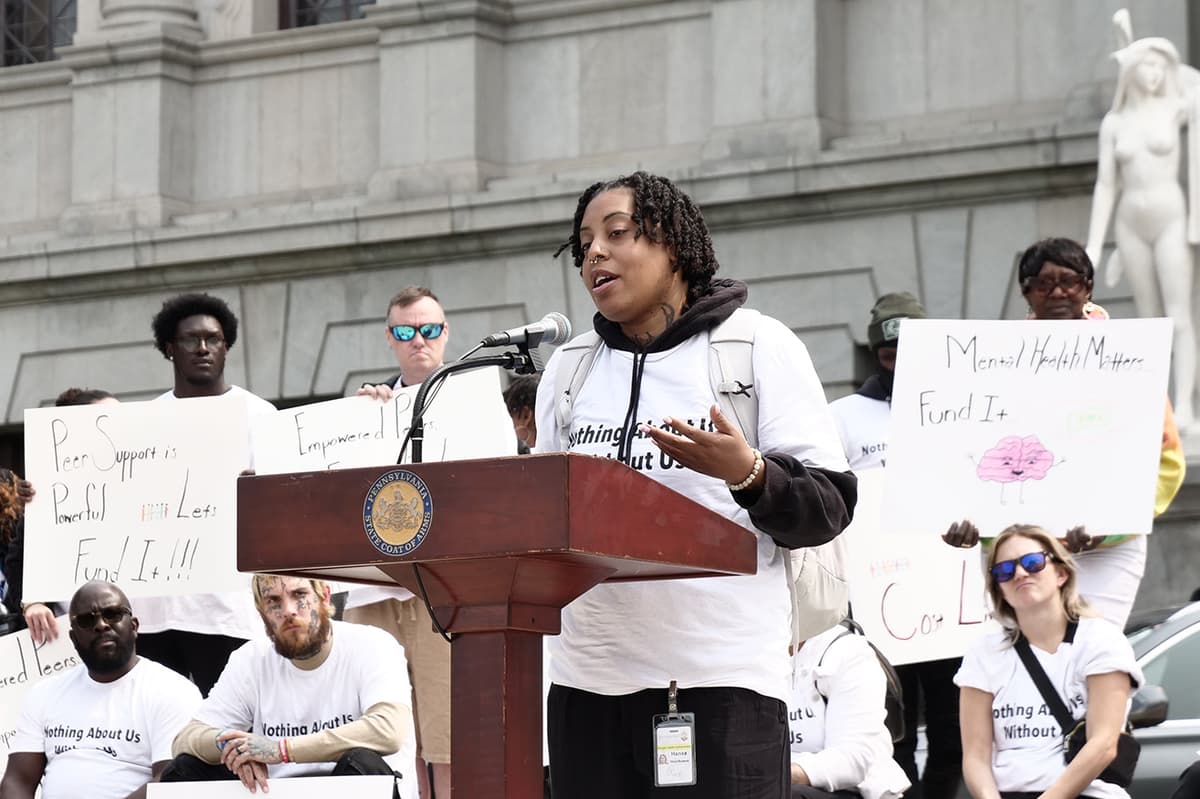
Our Recovery Learning Centers exceeded growth targets, our outreach teams met people where they were during moments of crisis, and our advocacy efforts amplified the voices of people with lived experience at the local, state, and federal levels, while our Certified Peer Specialist staff, training programs, and case management services expanded pathways to recovery. We also achieved critical operational milestones—strengthening our workforce and completing the first phases of capital improvements at our Homeward Bound residence.
None of this would be possible without our participants, staff, board, and supporters. You are not just part of this work—you are the heart of it. Together, we are shaping a future where recovery is not only possible but fully embraced—where every person is met with dignity, every journey is supported, and every step forward is sustained. Because of you, that future is not so distant—it is already unfolding.
.webp)



Our Mission
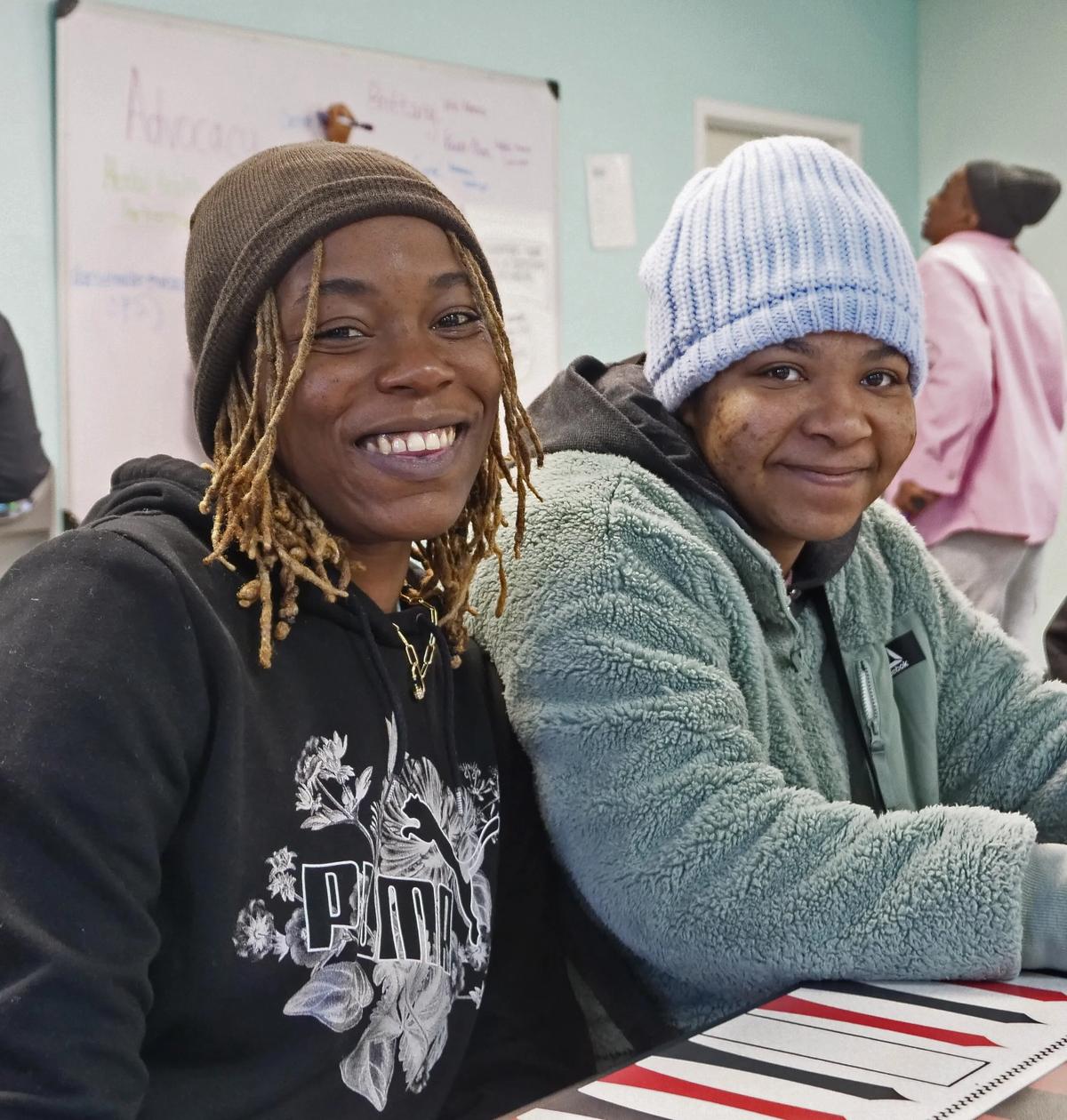
Mental Health Partnerships collaboratively builds hope and promotes the well-being of people in recovery through innovative peer-centered advocacy, learning and services.
Our Impact
In Fiscal Year 2025, Mental Health Partnerships supported 11,703 individuals with direct services in Philadelphia, Delaware, Bucks, Montgomery, and Chester Counties, and statewide through our training department. This represented a 36% increase in the number of people we served year over year. Through a comprehensive system of peer-driven care, we addressed immediate needs while helping participants build long-term stability, skills, and connection.
These outcomes represent far more than services delivered—they represent lives changed. They are moments when trust is built and healing begins, when doors to safe housing open, when pathways to meaningful work take shape, and when lived experience is not just included, but elevated to shape policy and transform practice.
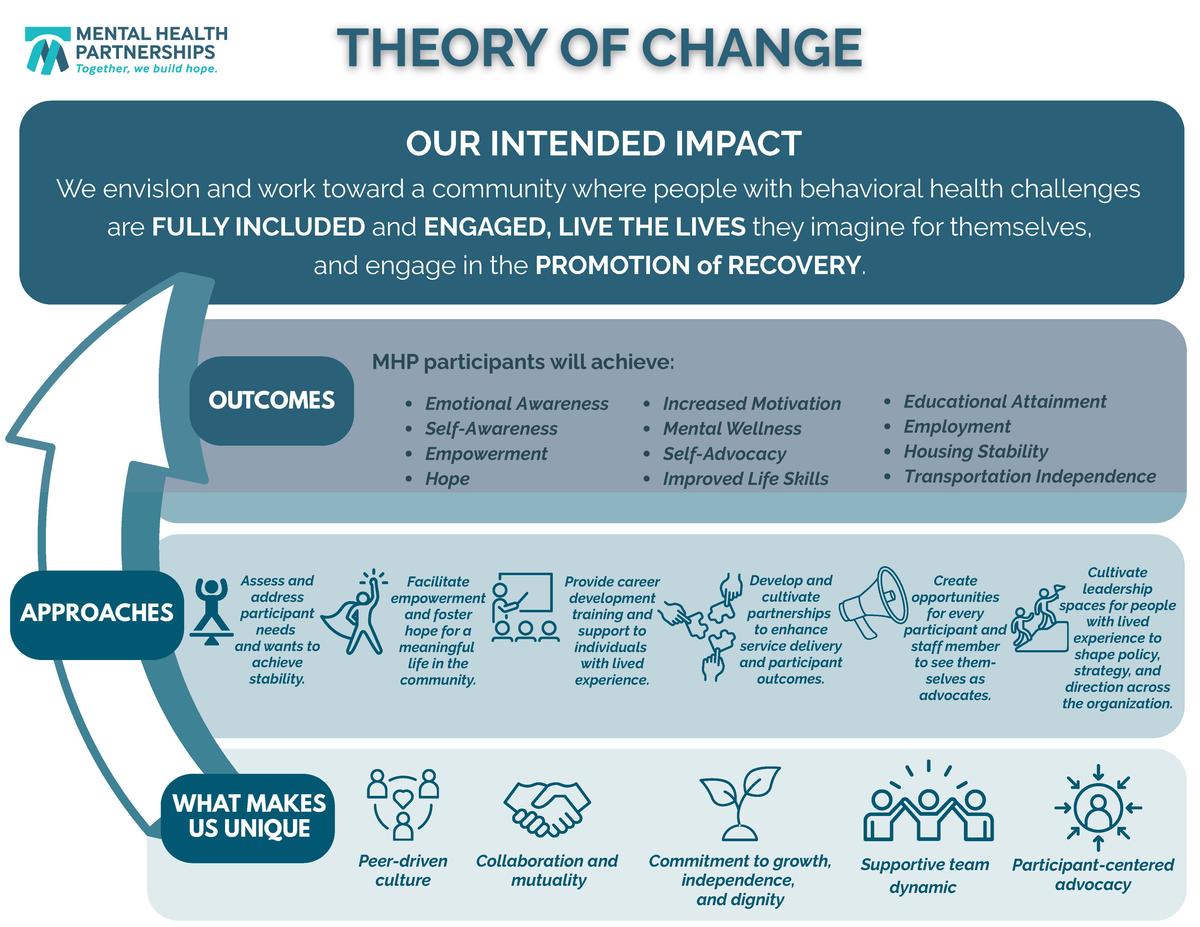
Our Theory of Change
Last year, MHP developed a Theory of Change to clearly define how our work supports people in recovery and leads to long-term outcomes. As our programs have grown across outreach, peer support, training, and advocacy, this framework helps ensure that everything we do is aligned, intentional, and working toward our intended impact. It connects our day-to-day services with the meaningful changes we aim to achieve—helping individuals build stability, strengthen skills, and live the lives they imagine for themselves.
Impact by the Numbers
Behind every number is a person—someone who was met where they were, supported through a moment of challenge, and connected to a path forward. In Fiscal Year 2025, Mental Health Partnerships expanded its reach across the region, deepening impact and strengthening the systems that support recovery.
Reaching Participants Where They Are
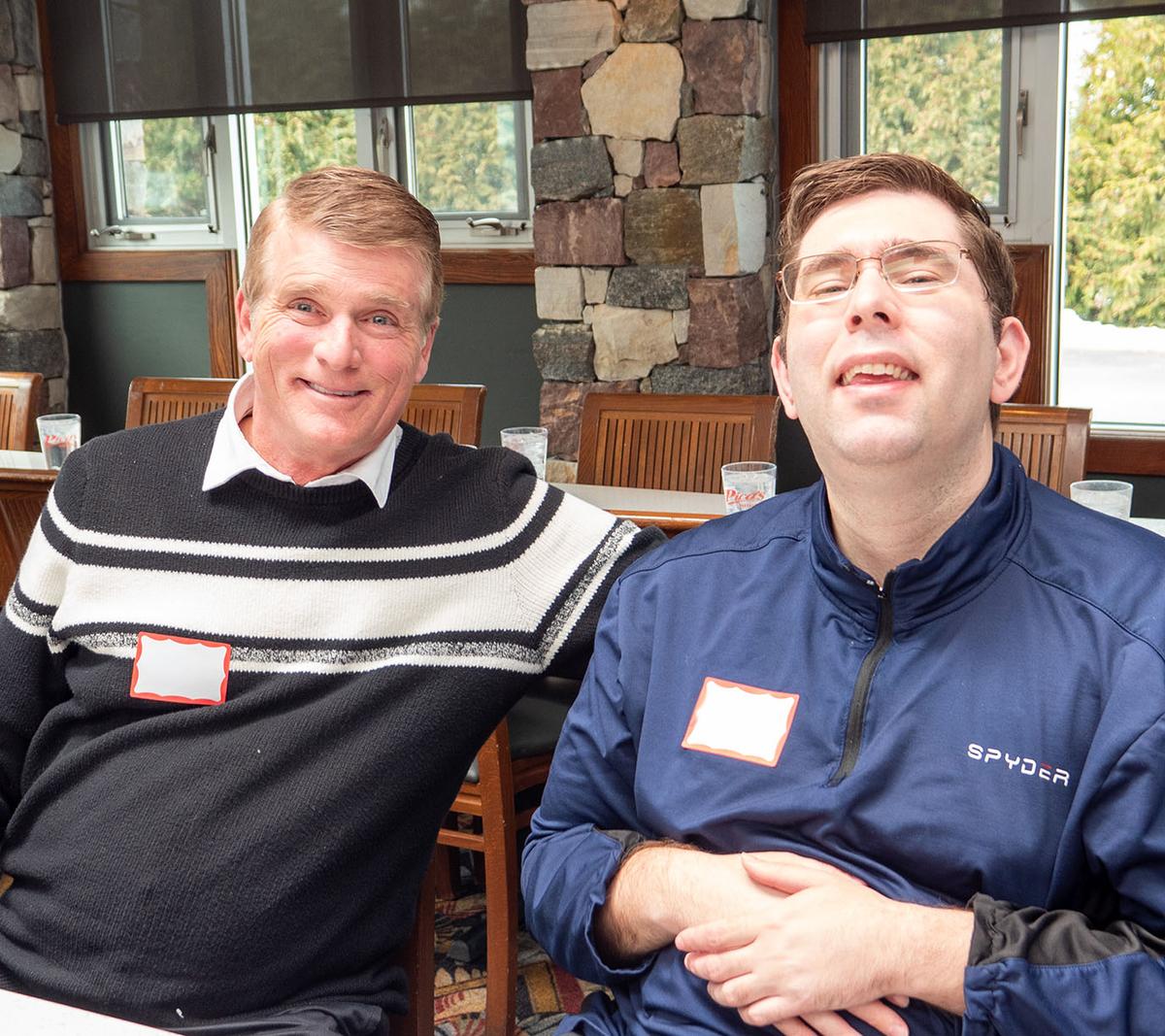
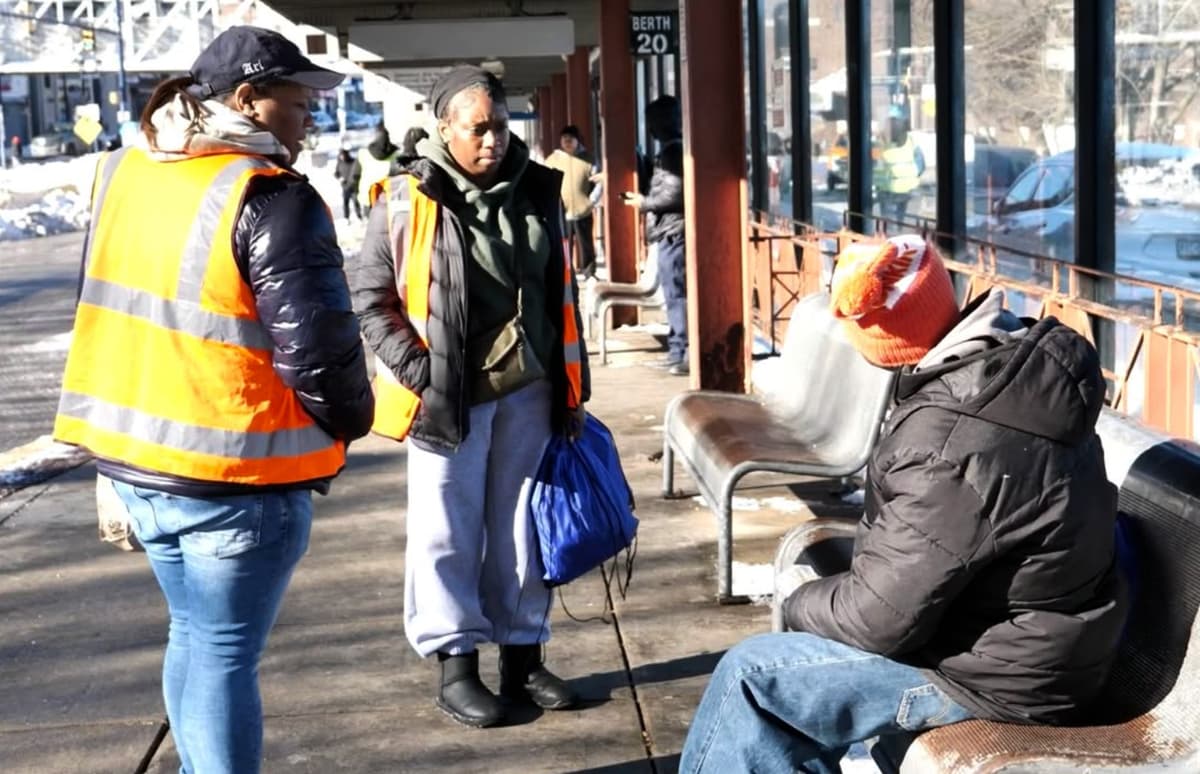
Our outreach and mobile teams continue to meet individuals in the moments and places where support is needed most—on the street, in shelters, and in communities across the region.
Mobile Peer Teams
568 participants found immediate, peer-led support through our Mobile Peer Teams, a 29% increase over the previous year, meeting individuals in moments of crisis and helping them begin or continue their recovery journeys.
Outreach Efforts
Through proactive, community-based outreach, we connected with 5,615 participants, a 47% increase year over year, transforming isolation into opportunities for engagement, connection, and access to critical services.
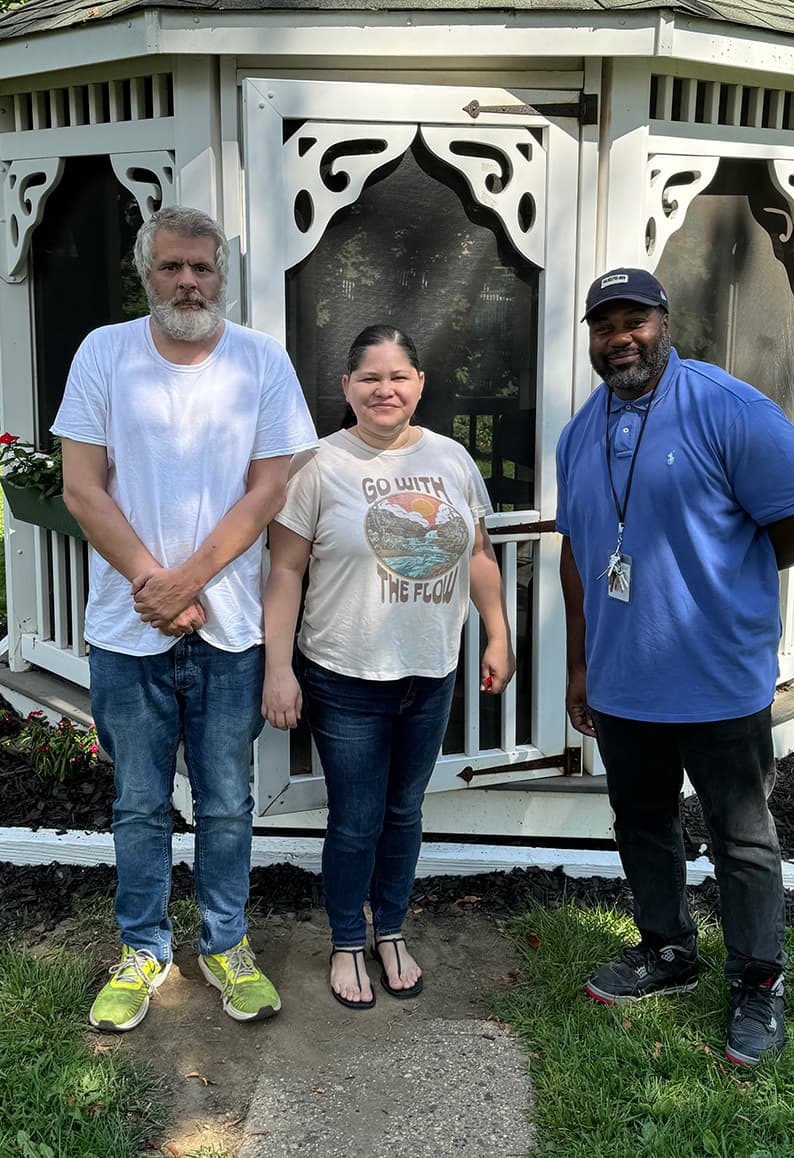
Creating Safe Spaces for Growth
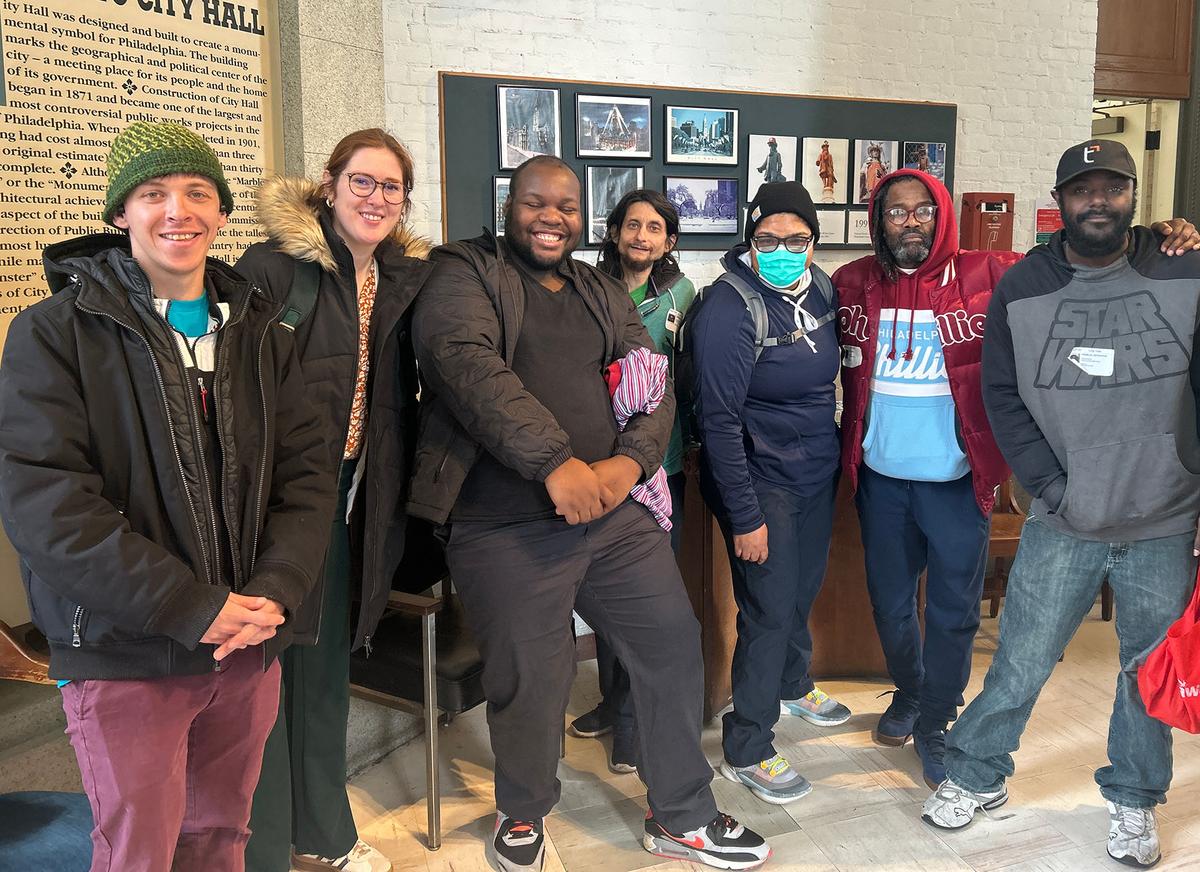
Our Recovery Learning Centers remain a cornerstone of MHP’s model, offering welcoming, peer-led environments where individuals can build community, develop skills, and take meaningful steps in their recovery.
Recovery Learning Centers
894 participants engaged in peer-led programming, a 22% increase over the previous year, accessing community connection, resources, and support that foster healing, growth, and a sense of belonging.
Community Residential Services
24 participants found stability and hope at Homeward Bound, our community rehabilitation residential facility, where they could focus on rebuilding their lives after psychiatric crisis in a safe and supportive environment.
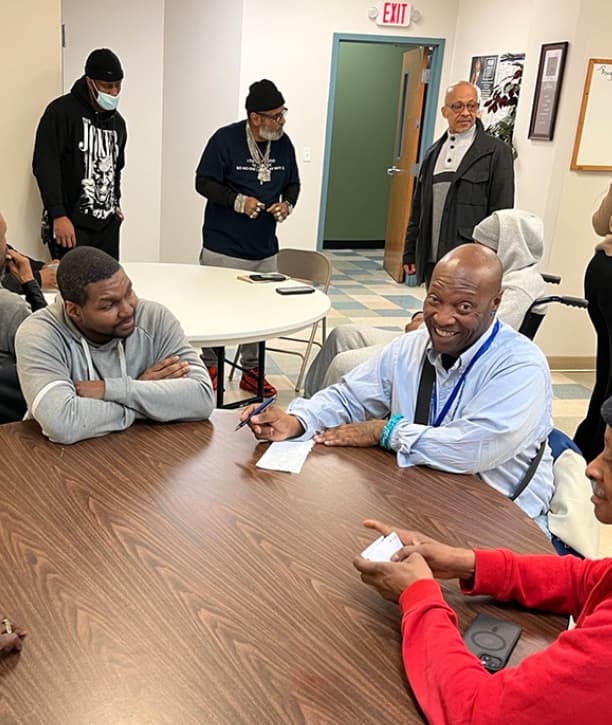
Building Foundations for Stability
We walk alongside individuals navigating complex systems—providing the support needed to access resources, maintain stability, and move toward long-term independence.
Targeted Case Management
550 participants received individualized support, a 33% increase over the previous year, navigating housing, healthcare, benefits, and other essential services.
Representative Payee Financial Services
581 participants strengthened their financial stability through budgeting, bill-paying, and money management support, a 5% increase over the previous year, allowing them to focus on recovery and long-term goals.
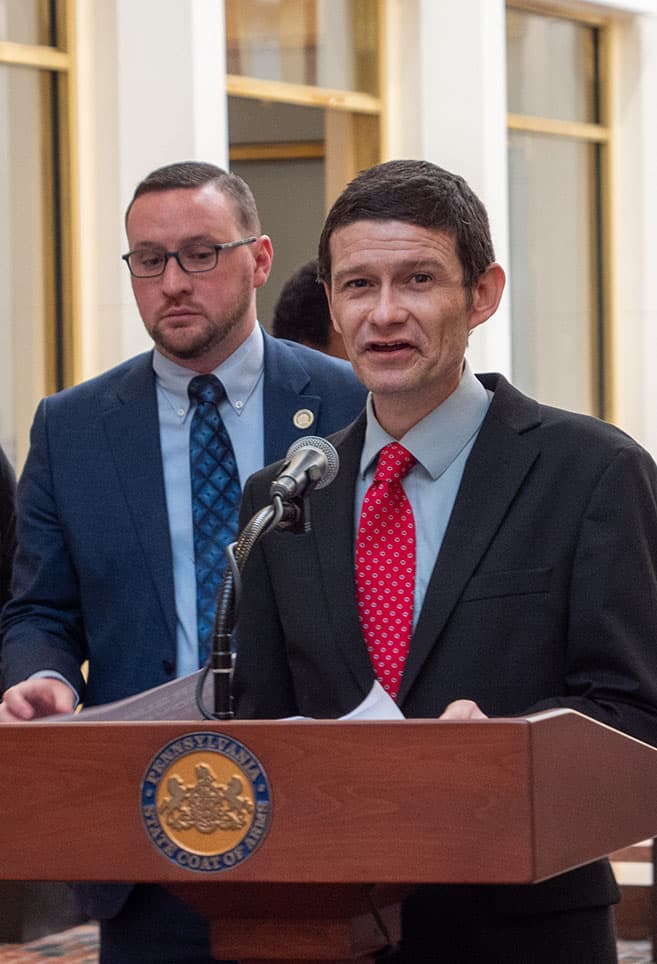
Supporting Self-Advocacy and System Navigation
We help individuals navigate complex behavioral health systems, access services, and advocate for their needs—ensuring they are supported, informed, and able to move forward with confidence.
Peer Support Chatline
771 Individuals found connection through our Peer Support Chatline, accessing real-time support, understanding, and guidance during moments of need.
Advocacy Support
394 Individuals received assistance advocating for themselves within state and local behavioral health systems
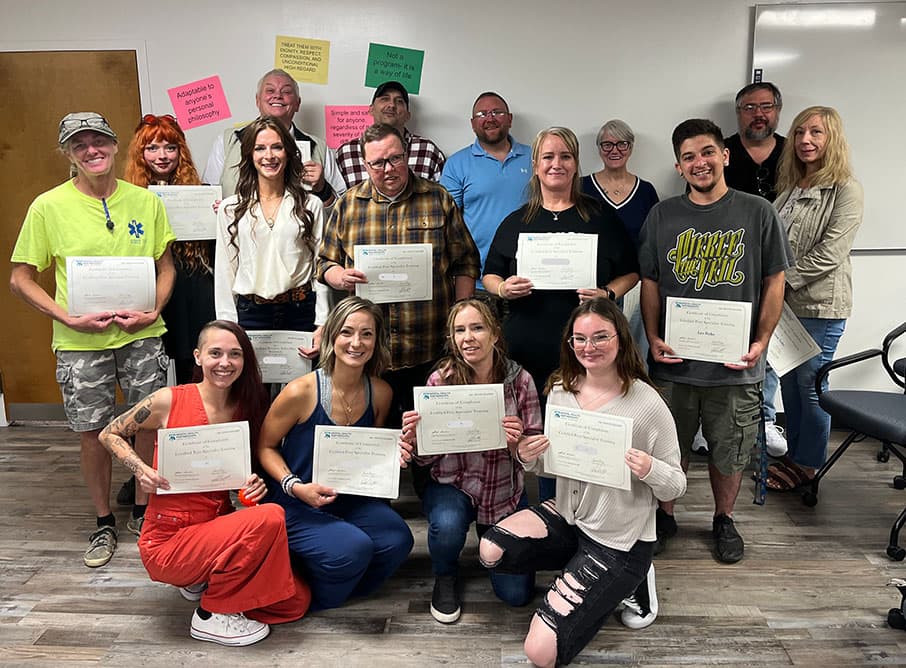
Preparing the Next Wave of Mental Health Leaders
Through training and workforce development, we are building a stronger behavioral health system rooted in lived experience.
Certified Peer Specialist Graduates
512 Individuals completed certification, a 20% increase over the previous year, using their lived experience to support others and strengthen the mental health workforce.
Continuing Education Workshops
692 participants expanded their knowledge and skills through ongoing training, a 2% increase over the previous year, equipping them to make a greater impact in their communities.
See the Difference You Make
Every story of recovery is made possible by supporters like you. Watch how your generosity fuels connection, healing, and lasting change in the lives of those we serve.
Momentum in Action
Fiscal Year 2025 marked a year of growth across our programs, partnerships, and reach. The highlights below show how we expanded access, strengthened services, and increased our impact—bringing peer-led support to more people across the region.
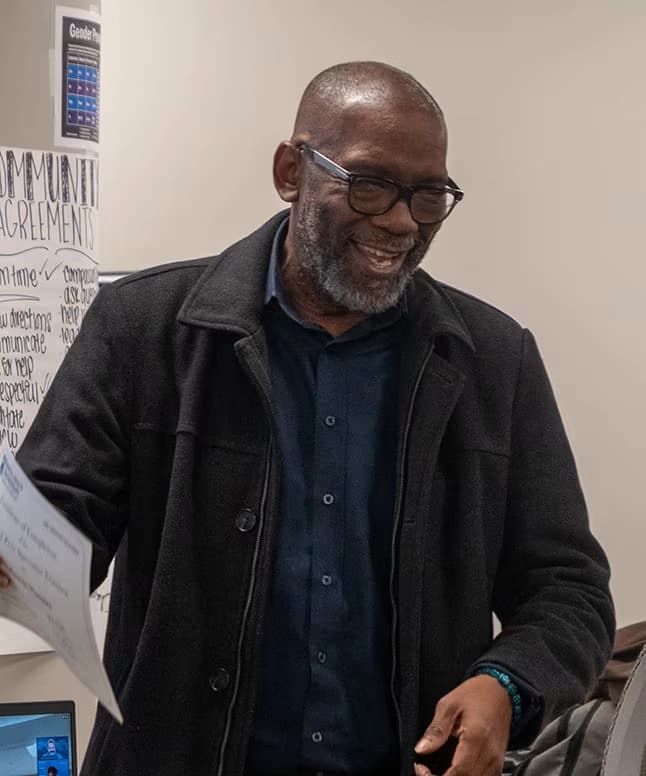
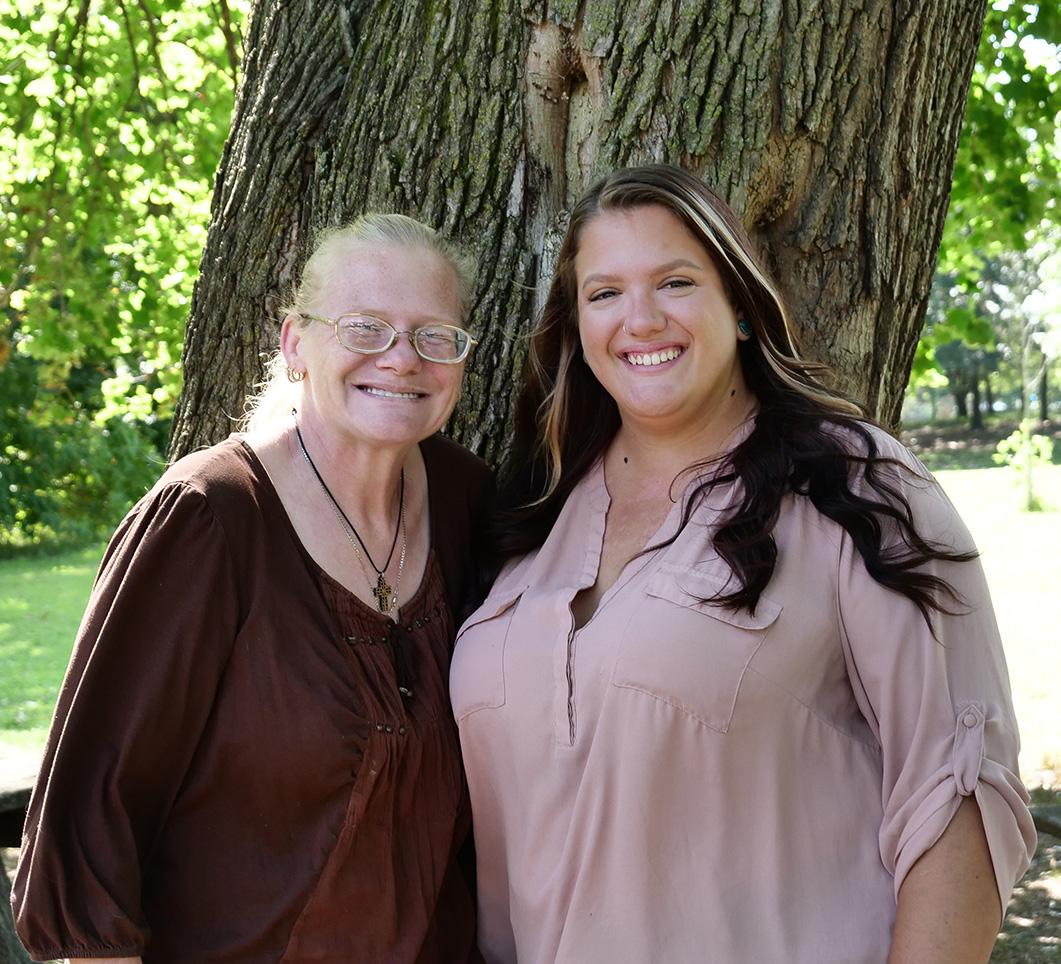
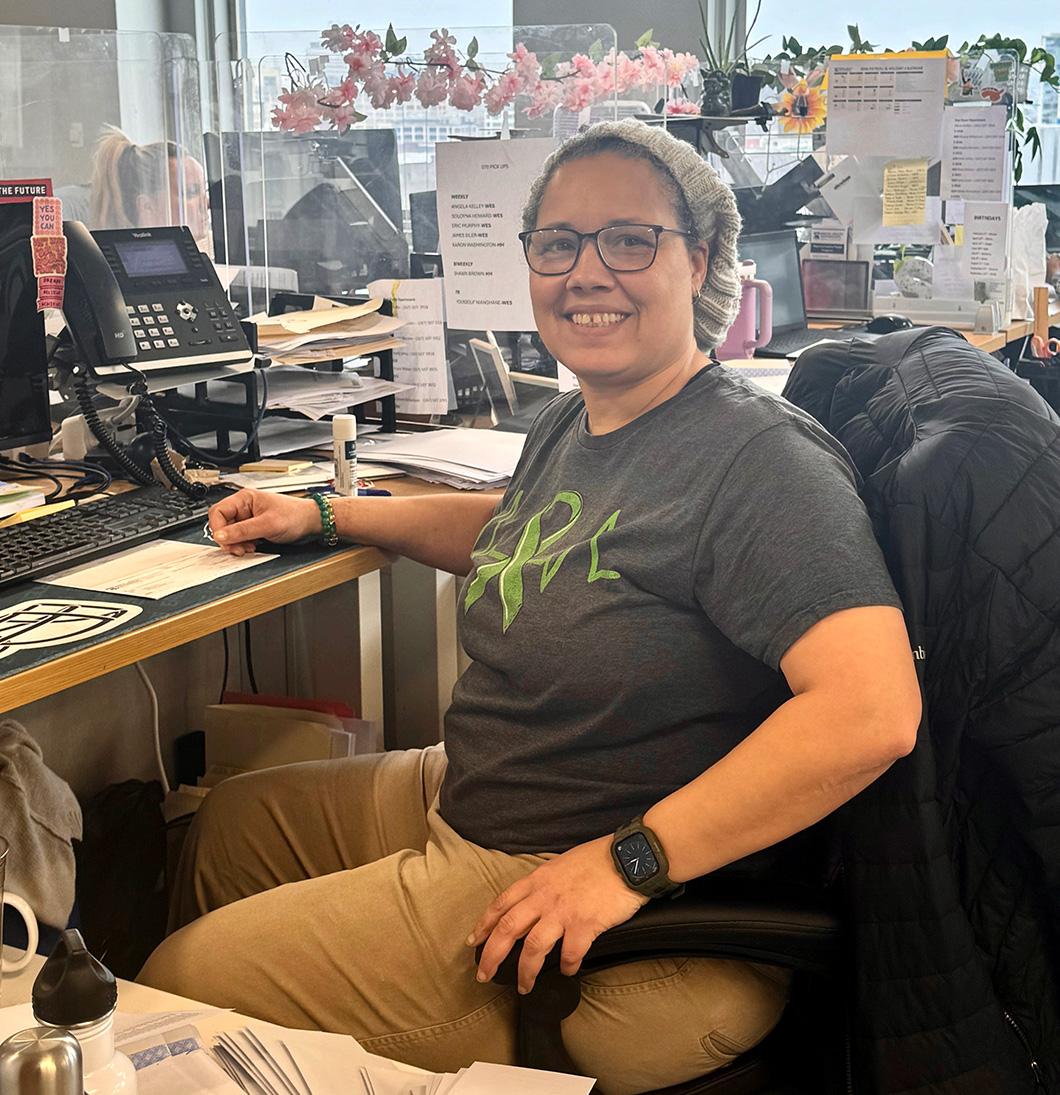
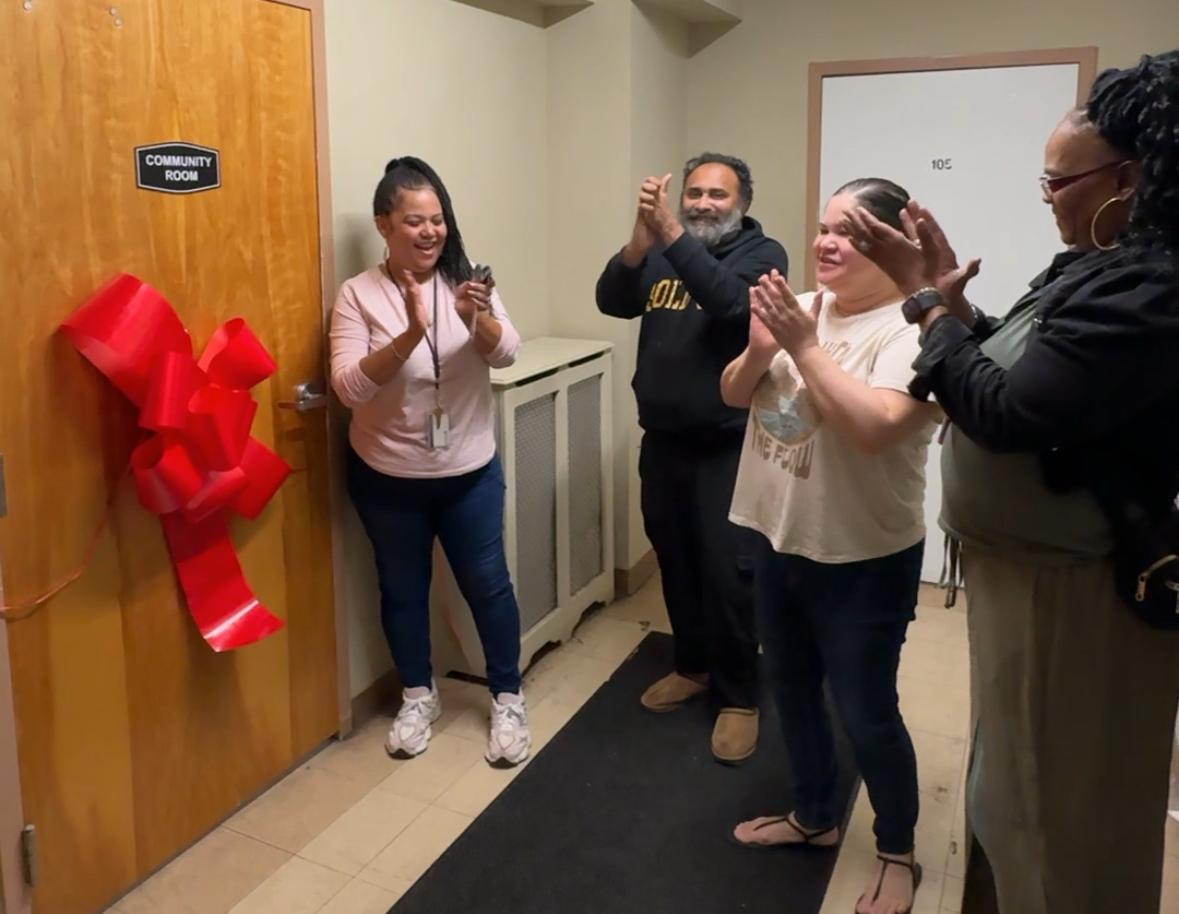
This isn't just a program, it's family.
Ronald
Participant, Delco Project SHARE Recovery Learning Center
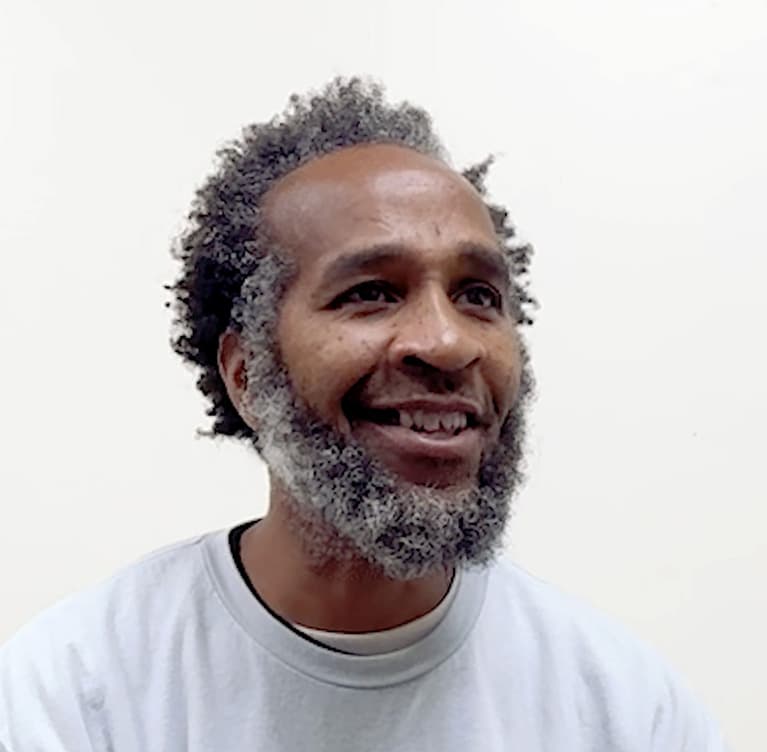
This place has been really beneficial ... hearing other people's stories. Everybody knows about mental wellness, but they don't really know what it's like to experience it ... they don't know what it's like until it happens to you or one of your loved ones.
Cory
Participant, A New Life Recovery Learning Center
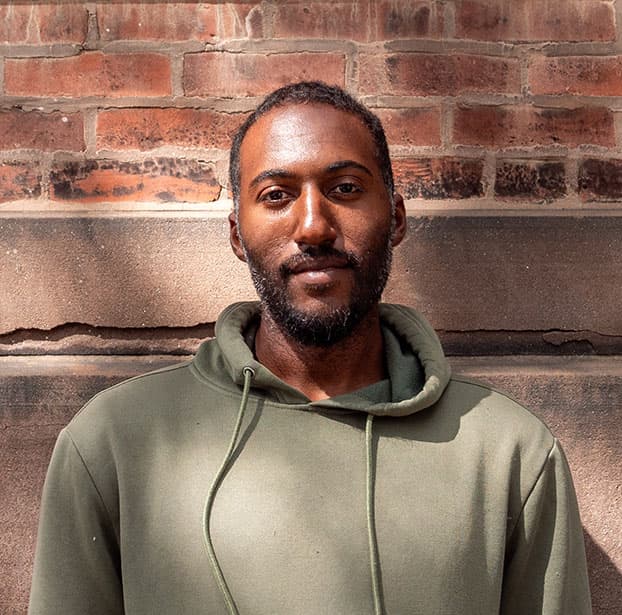
Without MHP, I would be out on the street. They help me stay active and not feel so alone.
Ed
Participant, Bucks County PeerNet
.jpg)
That's what is special about peer support - knowing that the person you're speaking with actually walked in your shoes ... there's nothing I think that adds more value.
Dr. Racquel Assaye, DBA, MSc
CFO, Mental Health Partnerships
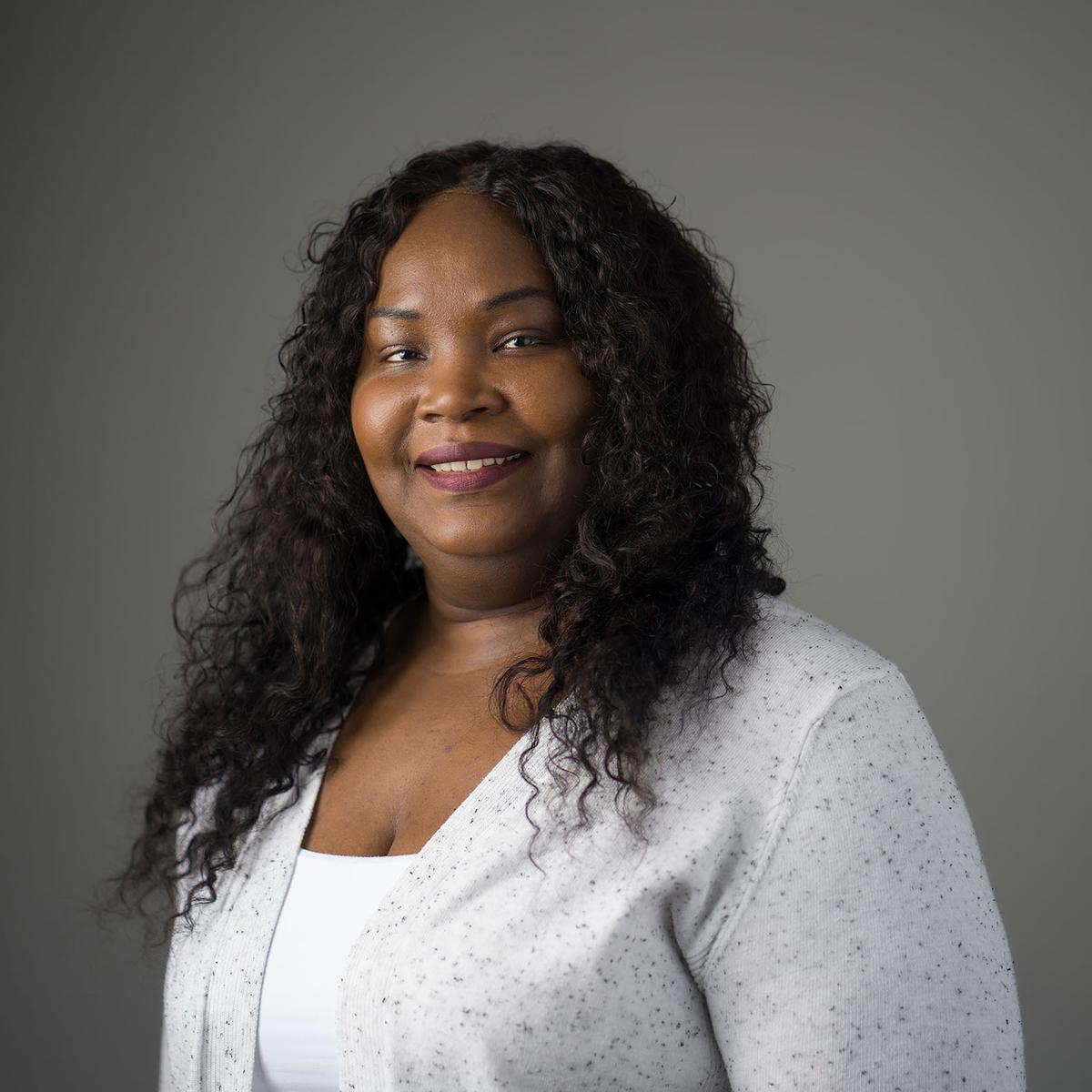
When working with a Certified Peer Specialist, when receiving services through peer work, you are the expert in your own recovery. You are the expert in understanding what is a meaningful life to you. You are an expert in understanding what your goals are. You are the expert of your lived experience.
Patrick Montgomery, CPS
Training Operations Manager, Mental Health Partnerships

Be Part of the Movement
As we build on this year’s momentum, there are many ways to get involved. Whether you're giving your time, raising your voice, or making a monthly gift, you can help expand access to mental health support and strengthen our communities.
Voices from the Board
Our board members bring passion, purpose, and a deep commitment to mental health equity. In this video, hear why they choose to support Mental Health Partnerships—and how your involvement helps shape a more hopeful future for all.
Championing Mental Health Together
Behind every story of healing and recovery is a network of compassionate individuals, families, foundations, and corporate partners who make this work possible. Your generosity powers peer-led programs, crisis outreach, advocacy, and education across our region. Thank you for standing with us—and with those we serve.
We’re proud to support Mental Health Partnerships and to be part of a shared vision for a behavioral health system that recognizes the dignity and unique spark in every person.
Joe Pyle, President, Thomas Scattergood Behavioral Health Foundation
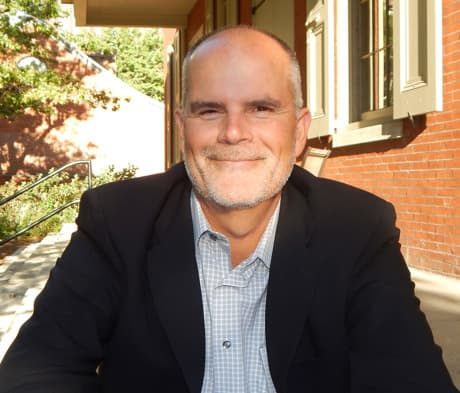
Why We Give: Joe Pyle
With the belief that people with mental illness should be treated with “tender, sympathetic attention,” Thomas Scattergood helped bring a more humane approach to mental health care to the US in the early 19th century.
At the Scattergood Foundation, we work to carry that legacy forward. We aim to build a stronger, more effective, compassionate, and inclusive society where behavioral health is central.
What motivates you to support MHP?
We’re inspired by MHP’s deep commitment to meeting people with dignity, compassion, and respect, values that closely reflect Thomas Scattergood’s belief in “tender, sympathetic attention.” Their approach to recovery recognizes the importance of holistic, community-based care that goes beyond clinical treatment to include meeting basic needs, building leadership, and advocating for a stronger system overall.
What impact do you hope your gift makes?
Our support is focused on expanding access to behavioral health care by creating stronger pathways for people with lived experience to build sustainable careers. Certified Peer Specialists play a vital role in making care more accessible, culturally responsive, and grounded in trust, and we’re proud to support MHP’s pilot peer workforce-development initiative, the Peer Empowerment Path Program (PEPP). By investing in peer leadership and workforce development, we hope to help grow a model that not only empowers individuals, but also addresses the workforce shortages that continue to limit access to care.
What is special about MHP?
What stands out about MHP is their ability to turn compassion into action. They connect direct service with bigger-picture systems change, making sure care is not only responsive in the moment, but also built to last. MHP reflects the kind of leadership and innovation Thomas Scattergood believed in, showing that when care is rooted in empathy and community, it can create real, lasting change.
We’re proud to support Mental Health Partnerships and to be part of a shared vision for a behavioral health system that recognizes the dignity and unique spark in every person.
Your Support, Responsibly Stewarded
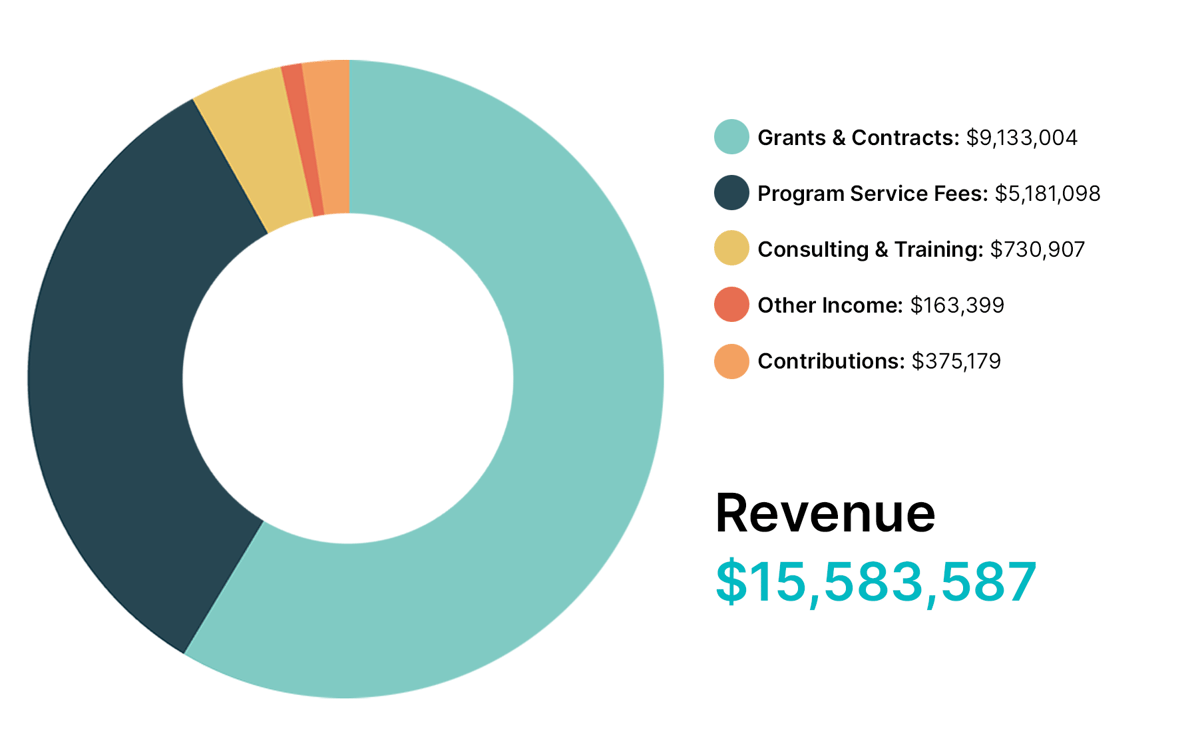
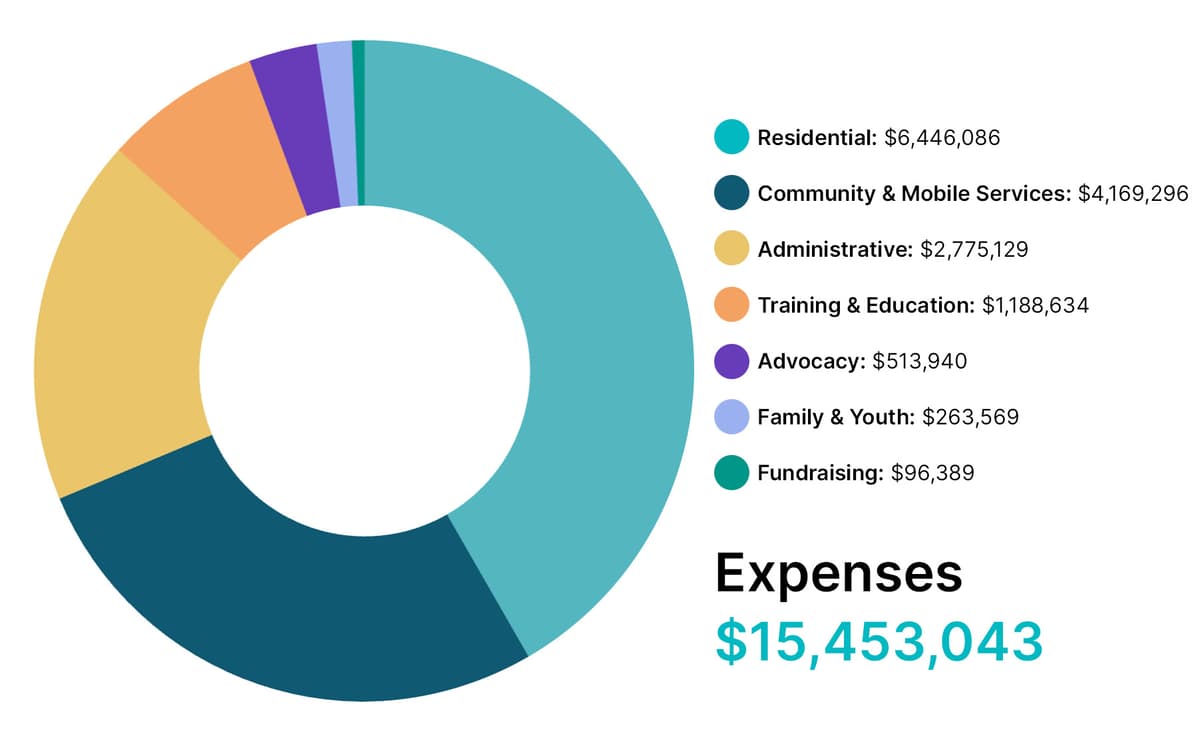
As we build on this year’s momentum, we remain committed to transparency and accountability. The snapshot below reflects our audited Fiscal Year 2025 financials and how your support fuels programs, services, and advocacy across our communities.
2025 Revenue
Source
Revenue
Grants & Contracts
$9,133,004
Program Service Fees
$5,181,098
Consulting & Training
$730,907
Other Income
$163,399
Contributions
$375,179
Total Revenue
$15,583,587
2025 Expenses
Source
Expenses
Residential
$6,446,086
Community & Mobile Services
$4,169,296
Administrative
$2,775,129
Training & Education
$1,188,634
Advocacy
$513,940
Family & Youth
$263,569
Fundraising
$96,389
Total Expenses
$15,453,043
Looking Ahead
As we move forward, Mental Health Partnerships remains focused on expanding access, holistic care, strengthening advocacy, investing in peer workforce sustainability, and deepening partnerships. Our 75-year history guides us, and our future is built on recovery, dignity, and collaboration.
Thank You
Your support makes recovery possible. Because of you, individuals and families across our region have access to peer-led support, advocacy, and hope.